Indications for the use of ICSI
ICSI is currently the most commonly used method of in vitro fertilization. It is particularly recommended when a couple is experiencing fertility problems related to male infertility. One example is oligozoospermia, a condition in which the sperm count in the semen is too low, which can significantly reduce the chances of natural fertilization. Another indication is asthenozoospermia, which involves impaired sperm motility, preventing sperm from reaching the egg. Teratozoospermia, in turn, is a condition characterized by abnormal sperm morphology, which may also make natural fertilization difficult or impossible. ICSI is also used in men with azoospermia, meaning the absence of sperm in the semen.
The ICSI procedure may also be recommended in cases of advanced maternal age, diagnosed endometriosis, low ovarian reserve, as well as when preimplantation genetic testing is planned.
Another indication for ICSI involves immunological factors, in which the woman’s immune system produces antisperm antibodies. These antibodies can immobilize or destroy sperm, preventing them from reaching the egg and achieving fertilization. In such situations, ICSI can be an effective solution because it bypasses the natural process by which sperm penetrate the egg.
– ICSI can be useful when semen has been frozen and its quality is poor after thawing. Frozen sperm may have reduced motility and viability, while ICSI makes it possible to use them effectively. In addition, this technique may be used in cases of idiopathic infertility, meaning infertility of unknown origin, when a couple is unable to achieve pregnancy despite normal test results and no apparent health problems – adds Aleksandra Mospinek, MSc, from Klinika Bocian in Łódź.
Preparing the patient before ICSI
The entire process begins with preparing the woman through hormonal ovarian stimulation. The aim of this stimulation is to obtain a greater number of mature eggs, thereby increasing the chances of a successful procedure. The woman takes hormones that stimulate the maturation of ovarian follicles. Then, at the appropriate point in the cycle, mature oocytes ready for fertilization are retrieved through an ovarian puncture procedure. Egg retrieval is performed under ultrasound guidance and general anesthesia. At the same time, the male partner provides a semen sample through masturbation, which is then carefully prepared and processed in the andrology laboratory.
The ICSI procedure step by step
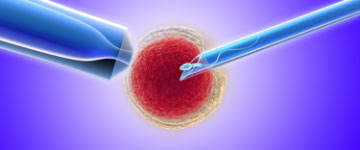
During the laboratory stage, after the semen and eggs have been properly prepared, the embryologist selects a sperm cell with normal morphology to be used for fertilization. The key stage of the ICSI procedure is the microinjection of a sperm cell directly into the cytoplasm of the oocyte. Using a micromanipulator and a high-resolution microscope with very high magnification, the embryologist introduces the selected sperm directly into the egg using a special needle. After fertilization, the eggs are placed in culture media and special incubators, where the embryos can develop under the continuous supervision of embryologists. Over the following days, the embryos are assessed and monitored for their quality and developmental potential. The assessment is based on factors including the size and appearance of the blastomeres, the cells that make up the embryos, as well as the amount of anuclear fragmentation. The embryos with the best prognosis are selected for transfer to the uterus, which usually takes place 3–5 days after fertilization. Currently, blastocysts, i.e. embryos on day 5 or 6 of development, are most commonly transferred.
Expert: Aleksandra Mospinek, MSc, Senior Clinical Embryologist and Head of the Embryology Laboratory at Klinika Bocian in Łódź