Stages of endometriosis (Degrees of endometriosis)
The classification of endometriosis is based on the assessment of the number, location, and depth of the disease's lesions. The most commonly used system is the rASRM (Revised American Society for Reproductive Medicine) scale, which distinguishes four stages of endometriosis. It is worth emphasizing that the stage of endometriosis does not always reflect the severity of pain symptoms, but it can be significant in the context of fertility and treatment planning.
- Endometriosis – Stage I (minimal) and II (mild) In stages I and II, there are small, superficial disease lesions on the peritoneum or ovaries. The lesions are shallow, and adhesions—if present—are of minor clinical importance. In some patients, these stages may proceed without distinct symptoms, while in others, they can cause pain complaints or ovulation disorders.
- Endometriosis – Stage III (moderate) The moderate stage is associated with the presence of deeper endometriosis lesions, more commonly involving the ovaries and adjacent structures. Adhesions can be more extensive and affect the mobility of the ovaries and fallopian tubes. In this phase, endometrial cysts (endometriomas) are observed more frequently, which can impact ovarian reserve and the patency of the fallopian tubes.
- Endometriosis – Stage IV (severe) – deeply infiltrating endometriosis The highest stage is characterized by large ovarian cysts, extensive adhesions, and deeply infiltrating lesions involving the intestines, rectovaginal septum, or urinary bladder. These changes can significantly impair the function of pelvic organs and are a common cause of difficulty conceiving. Treatment at this stage often requires an individualized plan that takes into account both symptom relief and fertility preservation.
Stages of endometriosis help organize the clinical picture of the disease and indicate how extensive the changes are in a given patient. Although they do not describe the severity of symptoms, they constitute an important element in analyzing treatment options and further management.
What can be the causes of endometriosis?
The causes of endometriosis are not fully understood. However, there are several theories that help explain the mechanisms of its development. These include, among others: the phenomenon of retrograde menstruation, genetic predisposition, immune system dysfunction, and an abnormal tissue response to cycle hormones. An increasing number of studies also emphasize the role of environmental factors and inflammatory processes, which can favor the persistence of lesions.
Symptoms of endometriosis – signals that must not be ignored
Endometriosis – symptoms of this condition can affect many areas of daily life. Some women experience severe menstrual pain, others report intestinal complaints or discomfort during intercourse. It also happens that the first sign is difficulty conceiving. Such a wide range of symptoms makes endometriosis sometimes difficult to recognize.
The most common symptoms of endometriosis include:
- Painful periods (dysmenorrhea) – pain that hinders daily functioning and does not subside after standard painkillers.
- Pain during intercourse (dyspareunia), often intensifying with deeper penetration.
- Gastrointestinal problems, such as bloating, diarrhea, constipation, or pain in the intestinal area, which not infrequently leads to a misdiagnosis of irritable bowel syndrome.
- Urological complaints, including frequent urge to urinate or pain when urinating.
- Chronic fatigue, which may result from ongoing inflammation and hormonal imbalances.
Symptoms may intensify cyclically – during menstruation, ovulation, or physical activity – but in some patients, they also occur continuously. Their variability and similarity to other conditions mean that endometriosis often remains unnoticed for many years.
| Comparison area | Physiological menstruation | Menstruation with endometriosis |
|---|
| Pain severity | Discomfort or mild pain that does not hinder daily activities. | Severe, chronic pain, often making normal functioning impossible. |
|---|
| Response to painkillers | Symptoms usually subside after standard painkillers. | Painkillers often provide limited or short-lived relief. |
|---|
| Duration of symptoms | Pain appears mainly during the first days of menstruation. | Pain may occur before menstruation, during it, and after it ends. |
|---|
| Additional symptoms | No or minor accompanying complaints. | Possible symptoms include nausea, diarrhea, back pain, dizziness, or fainting. |
|---|
| Impact on daily functioning | Usually does not limit efficiency and activity. | Significantly hinders activity, study, work, or sleep. |
|---|
Distinguishing physiological menstruation from symptoms suggesting endometriosis is an important element of self-observation. Worrying symptoms do not always mean disease, but they can be an indication for in-depth diagnosis and a consultation with a specialist.
How is endometriosis diagnosed?
The diagnosis of endometriosis is based on a combination of a detailed medical history, a gynecological examination, and modern imaging methods. The first step is a consultation with a doctor – preferably a gynecological endocrinologist, who analyzes the nature of the symptoms, cycle patterns, presence of pain, and previous test results. The next stage is a gynecological ultrasound, which allows for the assessment of the lesser pelvis and the detection of possible endometrial cysts or abnormalities within the ovaries. In situations requiring confirmation of the diagnosis, laparoscopy is performed, which is both a diagnostic and surgical method – enabling the assessment of disease lesions and their removal. As a supplement, a blood test for endometriosis is also sometimes used – measuring the CA-125 marker, which may be elevated in some patients, but does not serve as a standalone diagnostic tool.
Endometriosis and fertility – can I become a mother?
Endometriosis can affect fertility in several ways. Chronic inflammation and endometrial cysts can impair ovarian function, which can affect egg cell quality and lower ovarian reserve (AMH). Pelvic adhesions can lead to restricted mobility or blockage of the fallopian tubes, making natural fertilization difficult. In some patients, the inflammatory environment in the peritoneal cavity is also significant, as it can disrupt the embryo implantation process.
Despite these challenges, many women with endometriosis get pregnant – both naturally and through treatment using assisted reproductive technology.
Endometriosis treatment – what does it look like?
Endometriosis treatment is selected individually – it depends on the stage of the disease, the type of symptoms, and plans regarding motherhood. Therapy should take into account both the relief of pain symptoms and the preservation of the patient's fertility.
- Pharmacological treatment (hormonal therapy)
Hormonal therapy is often used in the treatment of endometriosis to reduce the activity of disease lesions and relieve pain symptoms. Combined oral contraceptives, progestins, or GnRH analogs/antagonists are used, which inhibit the effect of hormones on the ectopic endometrium. These methods can reduce inflammation and provide relief from complaints.
It is worth emphasizing, however, that hormonal treatment does not remove endometrial lesions, and its use – in the case of patients planning pregnancy – requires an individual approach. In some women, this therapy may delay the start of trying to conceive, which is why the decision to implement it is always made after analyzing the benefits and possible limitations. - Surgical treatment (laparoscopy)
Laparoscopy is both a diagnostic and therapeutic method. The procedure allows for a precise assessment of the location, depth, and extent of the lesions, while simultaneously enabling their removal. Surgical treatment of endometriosis is particularly considered in cases of: severe pain symptoms, ovarian cysts, suspected deeply infiltrating form of the disease, and difficulty conceiving. In some situations, laparoscopy can improve anatomical conditions in the pelvis and thereby increase the chances of pregnancy, although the decision to operate depends on the type of lesions and the patient's treatment history. Sometimes – especially with advanced lesions or reduced ovarian reserve – quickly considering assisted reproductive methods is recommended instead of surgery. - Assisted reproductive technology (insemination, in vitro)
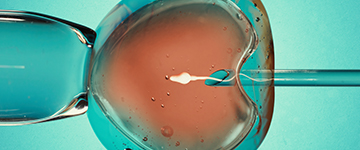
In some patients, pharmacological or surgical treatment may not be sufficient to achieve pregnancy. In certain situations – especially with more advanced lesions or reduced ovarian reserve (AMH) – the doctor may suggest considering assisted reproductive methods earlier – intrauterine insemination (IUI) or in vitro fertilization (IVF). Insemination – usually used in women with a milder course of the disease and preserved tubal patency.
In vitro – recommended, among other things, in cases of more advanced endometriosis, the presence of endometrial cysts, pelvic adhesions, or reduced ovarian reserve parameters.
Assisted reproductive technologies allow for bypassing some of the mechanisms that can hinder natural fertilization, and in many women, they significantly increase the chances of pregnancy, especially when endometriosis impairs embryo implantation or proper fallopian tube function.
Treatment of endometriosis depends on many factors, including symptoms, disease progression, and reproductive plans. The choice of the appropriate method – pharmacological, surgical, or assisted reproduction – should always result from an individual assessment and a joint decision between the doctor and the patient.
Endometriosis diet – what should it look like?
Diet and lifestyle with endometriosis are of considerable importance, as they can affect inflammation levels, hormonal balance, and the overall well-being of the patient. In daily nutrition, an anti-inflammatory diet is primarily recommended, based on vegetables, fruit, whole grain products, fish rich in omega-3 fatty acids, healthy plant fats, and limiting processed foods. Such a nutrition model can support hormonal balance and relieve some of the symptoms.
Supplementation is often a complement to the diet, selected individually according to the patient's needs. It most commonly includes vitamin D, omega-3 fatty acids, antioxidants, and ingredients supporting immune system function and fertility, such as coenzyme Q10 or inositol. Supplements do not replace treatment, but they can support the body throughout the therapeutic process.
An important element of management is also physical activity – moderate, regular movement reduces muscle tension, improves circulation, and enhances well-being. In many women, urogynecological physiotherapy also brings benefits, helping to reduce pain, work with tension within the pelvic floor, and support the function of the reproductive system.
What does untreated endometriosis lead to?
Untreated endometriosis can over time lead to the progression of lesions that affect not only the reproductive system, but also a woman's daily functioning. Progressive inflammation and the presence of disease lesions can impair the function of pelvic organs, cause chronic pain, and increase the risk of complications such as ovarian cysts, organ damage, or difficulties conceiving. In some patients, long-term symptoms also take a toll on mental well-being and quality of life.
- Endometriosis – difficulties conceiving In many women, untreated endometriosis leads to fertility problems. Disease lesions can disrupt ovulation, hinder the union of the egg cell and sperm, or affect the conditions needed for embryo implantation. The longer the disease remains active, the higher the risk of deteriorating reproductive function.
- Endometriosis – chronic pain Chronic pelvic pain is one of the most bothersome complications of endometriosis. It results from the presence of inflammation, adhesions, and deeply infiltrating lesions that can irritate surrounding structures. Pain can occur cyclically or chronically, affecting the patient's daily functioning.
- Organ damage In more advanced stages, endometriosis can involve the intestines, ureters, or urinary bladder. Such lesions can make proper urination difficult, cause intestinal problems, or lead to strictures.
- Endometrial cysts Endometrial cysts (endometriomas) most commonly develop within the ovaries and can enlarge with the activity of disease lesions. Over time, they can affect ovarian reserve, disrupt ovulation, and hinder proper ovarian function. Untreated cysts also carry a risk of rupturing or causing ovarian torsion, which requires urgent medical intervention.
- Risk of diseases and cancers In some patients, endometriosis can increase the risk of certain chronic diseases, including autoimmune disorders and problems with the gastrointestinal tract or urinary system. In rare cases, long-standing endometrial lesions may be associated with an increased risk of developing certain types of ovarian cancer.
Can endometriosis be cured?
Endometriosis is a chronic disease, which is why it cannot be completely cured. In most cases, however, its symptoms can be effectively controlled and the progression of lesions can be limited.
– "The key is tailoring the therapy to the clinical situation and reproductive plans. In some women, we achieve long-term improvement, while in others, a staged treatment approach is necessary," emphasizes Tomasz Magoń, M.D., Ph.D, from the Bocian Clinic in Rzeszów.
Regular check-ups and properly planned management make it possible to significantly reduce the impact of the disease on the patient's health and daily functioning.
Endometriosis – which specialist is best to visit for a diagnosis?
In the case of suspected endometriosis, it is worth consulting a gynecological endocrinologist, a specialist who deals with both reproductive system diseases and hormonal disorders. This is particularly important because endometriosis is a chronic and multifactorial condition in which both inflammatory processes and the hormonal regulation of the cycle play an essential role.
A gynecological endocrinologist conducts a detailed interview, analyzes symptoms, menstrual cycles, previous test results, and possible difficulties conceiving. On this basis, they select appropriate diagnostics, which may include gynecological ultrasound, laboratory tests, and – if necessary – qualification for diagnostic and therapeutic laparoscopy.
Depending on the stage of the disease and the type of symptoms, other specialists may also be included in the diagnostic process, such as a radiologist performing advanced imaging studies or a surgeon specializing in deeply infiltrating endometriosis. However, the primary role in managing the patient and coordinating further actions remains with the gynecological endocrinologist, who plans the optimal treatment pathway.
It is worth emphasizing, however, that diagnostics can also be initiated with a general gynecologist, especially if access to a gynecological endocrinologist is limited. They are the first-contact physician in gynecology who can begin the evaluation and, if necessary, refer the patient further.
Frequently asked questions (FAQ)